
Three Years of GAO Bid Protest Data: What the Annual Reports Really Say About Winning (and Challenging) Federal Awards
A 3-year synthesis of GAO’s Bid Protest Annual Reports (FY23–FY25): filings trends, sustain and effectiveness rates, the CIO-SP4 anomaly, and what recurring sustain grounds reveal about evaluation discipline, price/cost scrutiny, and proposal rejection risks—plus why protests still influence outcomes.

Disaster Assistance and the Uneven Geography of Response Capacity: Lessons from GAO’s High-Risk Series
Summary of GAO-26-108599 on FEMA disaster assistance and the wide variation in state and local response capacity. Explains how grants, training, and mission assignments shape preparedness, why capability targets range from 12%–90%, and what GAO flags for policymakers considering FEMA reforms.
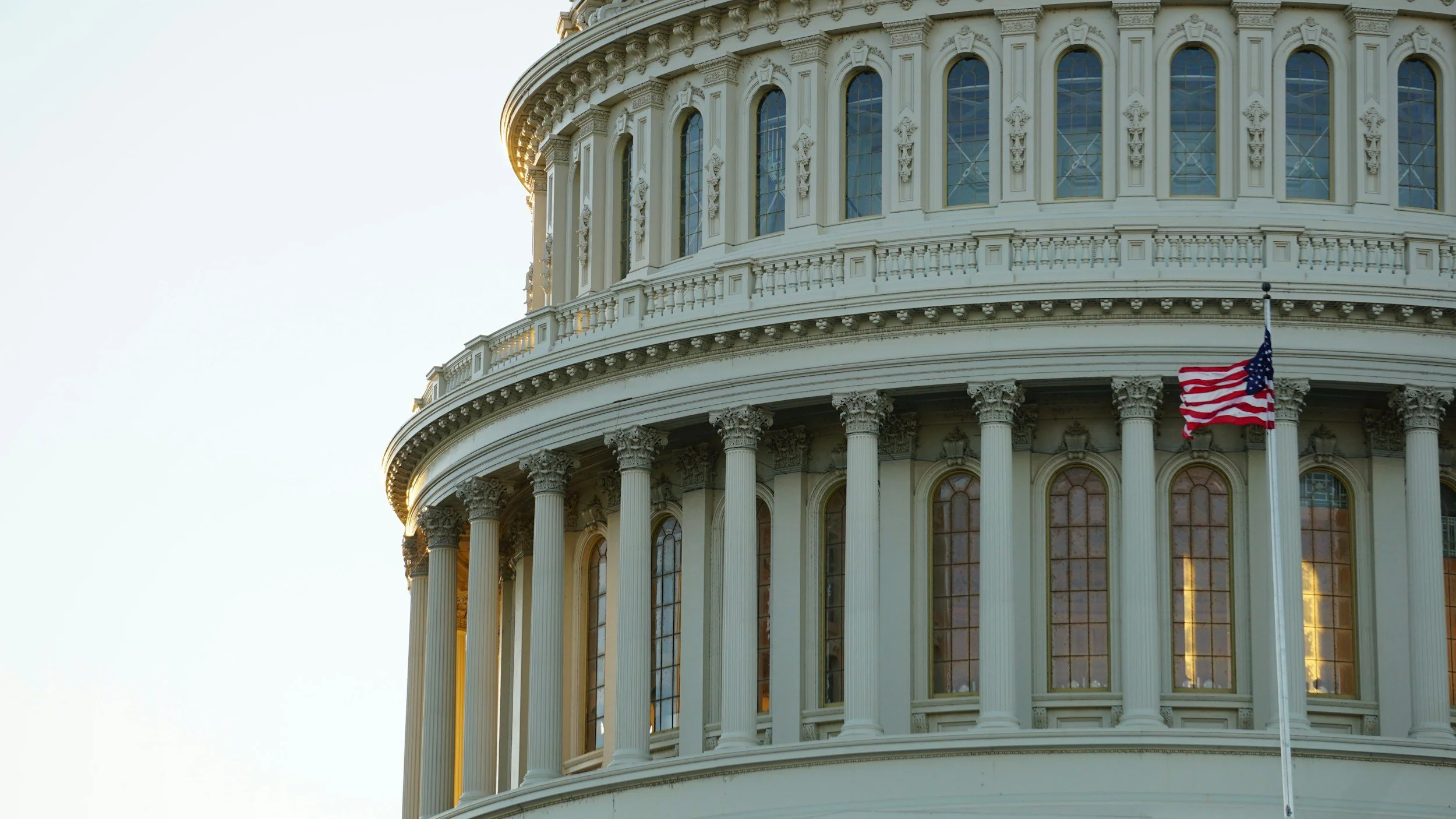
Congress’s Digital Transformation: Wiring Data for the AI Era
Congress is modernizing its data infrastructure for the AI era through GPO’s new Model Context Protocol, open legislative datasets, and AI-driven constituent engagement. For federal contractors, these initiatives signal a shift toward interoperability, verified data access, and new standards for AI-based tools supporting the U.S. legislative branch.

Tiger Natural Gas v. DLA Energy: Documentation as a Protest-Outcome Driver
GAO’s Tiger Natural Gas (B-423744 et al., Dec. 10, 2025) sustained a protest because DLA’s heavily redacted record prevented GAO from confirming awardees’ technical acceptability under LDC authorization/experience requirements, while denying challenges to discussions conducted alongside a reverse auction.

Why “Quality Management” in the Yellow Book Matters to Federal Contractors (Even If You’re Not an Auditor)
GAO’s December 2025 Yellow Book FAQ (GAO-26-108710) explains the 2024 shift from “quality control” to risk-based “quality management” for government audits. Federal contractors should understand the new objectives, risk assessments, monitoring/remediation, and reporting impacts—because audit quality can drive real cost, compliance, and payment outcomes.

What GAO’s FY2025 Bid Protest Report Signals to Federal Contractors—and Why “The Solicitation as Written” Still Wins
GAO’s FY2025 Bid Protest Annual Report to Congress shows a 14% sustain rate, 52% effectiveness rate, and recurring sustain grounds—unreasonable technical evaluations, cost/price errors, and improper proposal rejections. Learn what the Air Force non-implementation case teaches contractors about timing, remedies, and building protest-ready proposals.

Oversight, Data, and the Safety Case: What GAO’s Osprey Report Signals for Federal Contractors
GAO’s 2025 Osprey safety report highlights how weak oversight, fragmented risk processes, and poor information sharing can undermine mission assurance. Learn what the findings suggest for federal contractors on governance, risk registers, cross-stakeholder data sharing, and maintenance data integrity.

When Government Innovates, Citizens Don’t All Want the Same Thing
Public-sector innovations often fail when they miss what citizens actually value. Singler, Guenduez, and Demircioglu (2025) show Swiss citizens fall into four expectation groups, while public servants perceive only three—overlooking trialability, cost, and democratic involvement. Key takeaways for federal contractors delivering digital services.

Protesting a Win: What the ADS Case Teaches Federal Contractors About Timing Challenges
This article examines the ADS protest of an ICE detention IDIQ, where a winning contractor challenged the solicitation’s pricing caps and structure after award. It explains why the Court of Federal Claims treated those arguments as waived and what the case teaches federal contractors about timing their protests.

How Long Should Federal Contractors Keep Contract Records? A Practical Overview by Contract Type
Federal contractors often ask how long to keep records after closeout for FFP, CPFF, T&M, and construction contracts. This 500-word post explains FAR Subpart 4.7’s record-based retention rules, the three-year baseline, longer periods for certain records, and why contract type is only the starting point for a defensible retention policy.

Foreign-Owned Contractors, FOCI Mitigation, and Where $43 Billion in Federal Work Really Goes
Foreign-owned companies received about $43.1 billion in U.S. federal contracts in FY 2024. This post explains how that happens, how FOCI mitigation works, and how FedContractPros resources—our article “What Foreign Companies Need to Know” and the book Winning Federal Contracts—help international businesses enter this market.

GAO Rejects Valiant’s EUCOM Linguist Protest: What It Teaches About Strengths, Pipelines, and Fluctuating Requirements
GAO’s decision in Valiant Government Services, LLC (B-423740) clarifies three recurring themes in task-order protests: when “strengths” must be credited, what equal treatment really requires, and when changing FTE levels trigger a duty to amend the solicitation.

Harnessing State AI Strategies: Why Government Contractors Can’t Ignore This New Playbook
State governments are moving from AI pilots to structured governance, reshaping expectations for vendors. This post explains how the IBM Center’s “AI in State Government” report signals new requirements—and opportunities—for contractors selling AI-enabled solutions to federal and state agencies.

When “Derived From” Means “Game Over”: GAO Upholds DHS’s SBIR Phase III Sole-Source Award in Bode Cellmark
GAO’s Bode Cellmark decision upholds a DHS SBIR phase III sole-source rapid DNA contract, confirming that agencies may bundle SBIR-derived technology with commercial items. Learn why this matters for federal contractors competing against or leveraging SBIR awards.

AI, Proptech, and Fair Lending: GAO’s Warning Shot for the Digital Homebuying Era
GAO’s 2025 report on property technology for homebuying examines how AI-driven platforms, automated valuation models, underwriting systems, and e-closings reshape mortgage lending. This blog analyzes their benefits, risks to fair lending and privacy, and FHFA’s evolving oversight of Fannie Mae and Freddie Mac.

Learning Before Building: GAO’s Offshore Patrol Cutter Report and Its Lessons for Federal Contractors
GAO’s 2025 report on the Coast Guard’s Offshore Patrol Cutter program highlights design instability, technology risk, and rising costs in a $17B fleet recapitalization. This article explains the findings and why federal shipbuilding and defense contractors should care.

Leasing Lessons from VA’s Academic Partnerships: Why Federal Contractors Should Pay Attention
GAO’s November 2025 report on the Department of Veterans Affairs’ sole-source leasing with academic affiliates under the PACT Act highlights how VA is using noncompetitive leases to modernize aging facilities and expand care. Federal contractors can draw important lessons on risk, timing, governance, and partnership models from this emerging authority.

Digital Footprints and National Security: GAO Warns DOD on Publicly Accessible Information
This blog summarizes GAO’s 2025 testimony on DOD’s digital-footprint risks and publicly accessible information, explaining how aggregated online data can threaten missions and personnel, and why federal government contractors must adapt policies, training, and security practices in response.

Efficiency as Strategy: Lessons from The Origins of Efficiency for Federal Government Contractors
Brian Potter’s The Origins of Efficiency explains how modern abundance emerged from systematic improvements in production processes. This post summarizes the book’s thesis and explores how its framework—methods, scale, inputs, steps, and variability—can guide federal government contractors in redesigning workflows and improving performance.

“Stop 8(a) Contracting Fraud Act”: What Senator Ernst’s Proposal Could Mean for SBA’s 8(a) Program
Senator Joni Ernst’s “Stop 8(a) Contracting Fraud Act” would impose a moratorium on SBA 8(a) sole-source contracts until a full audit of the program is completed. This post explains the bill’s key provisions, the fraud allegations driving it, and the potential implications for federal contractors relying on 8(a) awards.