
Measuring a Changing Economy Requires a Changing Federal Statistical System
Brookings authors Rekha Balu and William J. Congdon explain why the federal statistical system must evolve to measure artificial intelligence, occupational change, household inflation, income mobility, wealth, and emerging assets. Their analysis also identifies opportunities and governance obligations for federal contractors supporting data modernization, analytics, and public measurement.

CIRCIA Finalization Would Make Cyber Incident Reporting an Operational Readiness Issue
CIRCIA finalization would make cyber incident reporting an operational readiness issue. Contractors should prepare for 72-hour cyber incident reporting, 24-hour ransomware payment reporting, overlapping contract obligations, privilege protocols, customer notice, subcontractor flowdowns, and incident-response tabletop exercises.

GAO’s INDUS Decision Shows Small-Business Participation Must Be Demonstrated, Not Implied
GAO’s INDUS decision shows that small-business participation must be demonstrated, not implied. Contractors should align participation narratives, pricing spreadsheets, subcontractor workshare, pass-through assumptions, and Section L/M requirements when solicitations impose quantified small-business participation thresholds.

DoD’s 1260H Ban Turns Chinese Supply-Chain Mapping Into Contract Eligibility Risk
DoD’s 1260H restriction turns Chinese supply-chain mapping into contract eligibility risk. Contractors should identify direct and indirect exposure to listed Chinese military companies, review suppliers and technology providers, update certifications and flowdowns, and prepare phase-out plans before the 2027 indirect ban.

GSA’s AI Draft Rule Shows Why AI Contractors Need Clause-Level Data Governance
GSA’s AI draft rule shows why AI contractors need clause-level data governance. Contractors should prepare for requirements involving government data ownership, LLM safeguards, contractor accountability, role definitions, subcontractor flowdowns, foreign ownership or control risks, and enforceable data-protection obligations.

Why More Public Input Does Not Automatically Produce Better Government Decisions
Daniel Berliner’s research explains why greater public and industry participation does not automatically produce better government decisions. This article examines information overload, four forms of information processing, the limits of AI, and how federal contractors can make agency submissions more specific, actionable, and difficult to overlook.

Trust Is Now a Performance Requirement: What the OECD’s 2026 Trust Survey Means for Public Contractors
The OECD’s 2026 Trust Survey shows why federal contractors must treat public trust as a performance issue. Reliability, transparency, fairness, AI governance, and responsiveness now shape how agencies, citizens, and oversight bodies evaluate contractor-supported public services.

DoD’s New Chinese Lobbyist Restriction Turns Consultant Due Diligence Into Contract Eligibility Risk
DoD’s new restriction on contractors retaining lobbyists for Chinese military companies turns consultant due diligence into contract eligibility risk. Defense contractors should review lobbyists, advisors, parent/subsidiary relationships, Section 1260H exposure, onboarding controls, and documented reasonable inquiries.

Defense Manufacturing Bottlenecks Show Why Fast Acquisition Still Needs Scalable Production
Defense manufacturing bottlenecks show that faster acquisition still requires scalable production. Contractors should assess facility space, workforce, suppliers, tooling, quality systems, subcontractors, production capacity, delivery risk, and teaming strategy before promising rapid defense manufacturing performance.

Non-Traditional Data and the New Public Measurement Problem
Dr. Stefaan Verhulst’s article on non-traditional data shows why federal contractors must treat data reuse as a governance issue. As agencies combine surveys, administrative records, commercial data, AI, and analytics, contractors must address bias, privacy, transparency, continuity, and public trust.

GAO’s FCN Decision Shows Protest Comments Are Not a Second Initial Protest
GAO’s FCN reconsideration decision shows that protest comments are not a second initial protest. Contractors must raise detailed legal and factual grounds early, especially for solicitation challenges involving ambiguity, brand-name-or-equal terms, salient characteristics, restrictiveness, or de facto sole-source concerns.

DoD’s U.S. Flag and Seafood Rule Shows Domestic Sourcing Risk Can Reach Smaller Purchases
DoD’s proposed DFARS rule would add U.S. flags to Berry Amendment coverage, apply domestic sourcing restrictions above $10,000, consolidate Berry clauses, and narrow seafood resale exceptions involving China, Russia, Iran, and North Korea. Contractors should review origin controls, supplier certifications, flowdowns, and sourcing records.

Procurement Information Risk Begins Before the Proposal Is Submitted
Government contractors face serious risk when employees mishandle procurement-related information. Even inadvertent receipt of source selection information, competitor data, government planning materials, or classified information can create Procurement Integrity Act concerns, organizational conflicts, unfair competitive advantage, responsibility issues, or criminal exposure.

Mandatory-Use Vehicles Must Be Competed as Mandatory-Use Vehicles
A protest over DoD’s Microsoft enterprise software vehicle signals a broader procurement risk: agencies may consolidate buying and pursue enterprise savings, but if a vehicle will become mandatory and exclusive, that scope must be disclosed before award. The case also highlights MAS eligibility, incumbent displacement, and small business impacts in enterprise IT procurements.

The FY25 SBA Scorecard Signals a Shift in Small Business Contracting Priorities
SBA’s FY25 Small Business Procurement Scorecard shows the federal government again exceeded the 23% small business prime contracting goal, awarding nearly 28% of prime dollars to small firms. But the results also signal policy shifts around 8(a), SDBs, veterans, fraud control, entity-owned firms, and the future direction of small business contracting.

DOJ’s LOGZONE Settlement Shows Why Cybersecurity Scores Can Become False Claims Act Evidence
DOJ’s LOGZONE settlement shows how cybersecurity compliance failures can become False Claims Act evidence. Defense contractors should treat NIST SP 800-171 implementation, assessment scores, system security plans, POA&Ms, and cyber representations as contract performance evidence tied to payment risk.

Default Terminations, Reconsideration, and the Contractor’s Burden of Proof
A recent ASBCA decision involving DSME Construction underscores three core lessons for federal contractors: a contracting officer’s reconsideration may restart the appeal clock, default termination defenses require evidence rather than assertions, and contractors may still recover undisputed amounts owed for accepted pre-termination performance.

Teaming Agreements Are Not Self-Enforcing: Drafting for Commitment Before the Award
Government contractors often use teaming agreements to pursue opportunities before a subcontract is ready. Case law shows enforceability turns on specificity, governing law, and whether the document creates present obligations or merely future negotiations. Contractors should define workshare, price, exclusivity, remedies, and dispute pathways before bid submission.
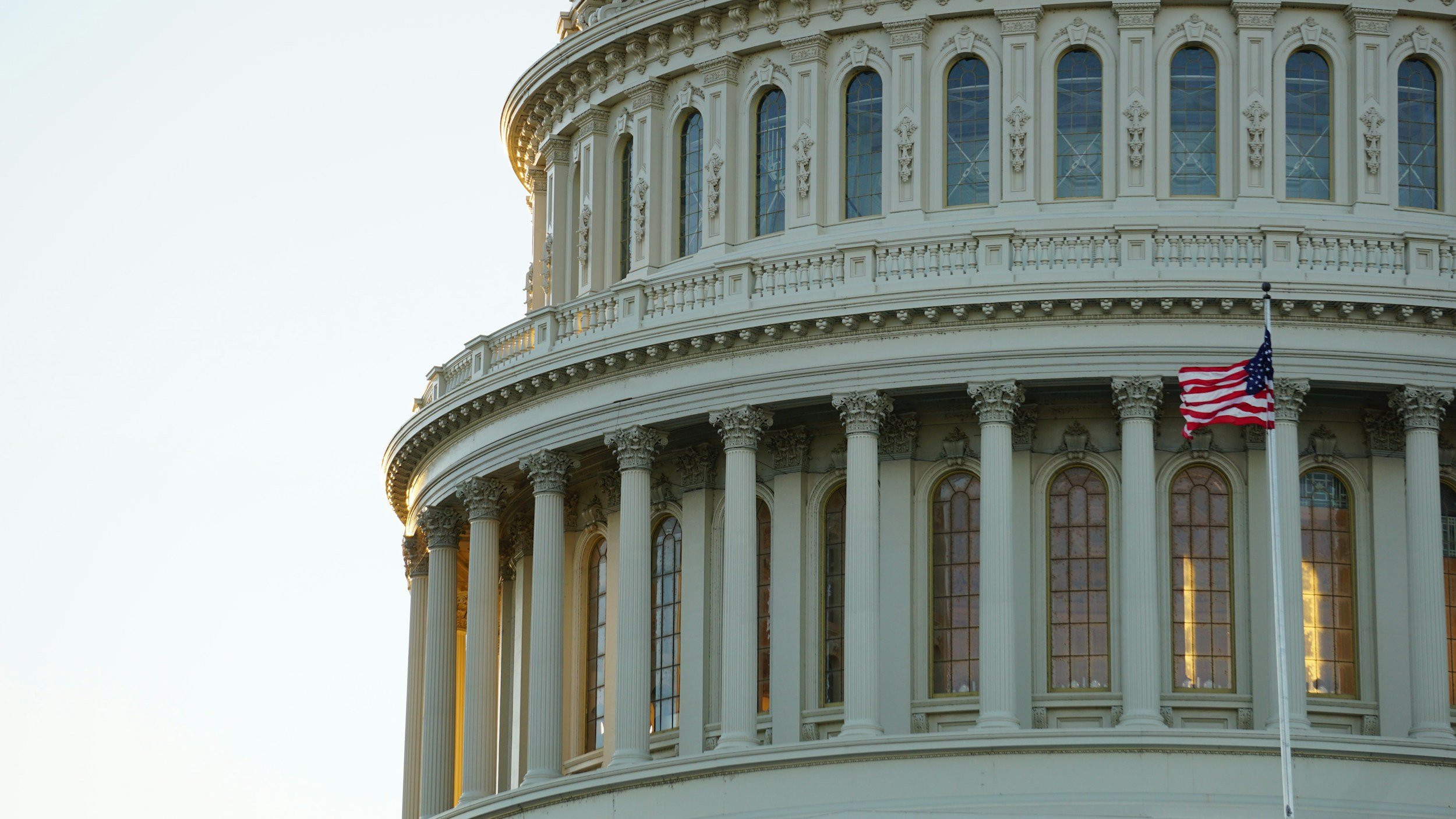
Lobbying and Gifts in Federal Contracting: Compliance Begins Before the Meeting
Federal contractors must manage lobbying and gift compliance with discipline. Lobbying activity can trigger registration, reporting, expense tracking, and certification duties, while gift rules restrict interactions with congressional and executive branch officials. Effective controls require advance review, accurate records, and clear employee training.

The FAR Overhaul Is Not Final Yet: Contractors Should Engage Now
The FAR Council’s first Revolutionary FAR Overhaul proposed rules are now in formal rulemaking, but they are not final rules. Comments are due July 23, 2026. Contractors should review each Federal Register notice, assess operational impacts, and submit comments before the FAR Council finalizes changes to major acquisition, integrity, competition, and termination provisions.